The Voices

He couldn’t escape the voices. No matter his vice, they grew louder and louder. He unscrewed the cap from the bottle of whiskey and took a large gulp before hitting his cigarette. He leaned back in his tattered armchair and blew the smoke out. In the background, Miles Davis was playing. It seemed to be the only thing that could quiet the voices enough for him to think. To sleep. He reminded himself to thank his daughter for downloading the music onto his iPhone. He took another pull of his Newport and rubbed his stomach. He could feel the rumbling as it growled. He hadn’t eaten in days. Not because he didn’t have any food. Quite the contrary, his wife had just went grocery shopping earlier in the week. She’s the one that brought him the bottle of Jameson that had become his companion. He hadn’t eaten because he was afraid to move from the spot he was in. As long as he didn’t move, he was safe. Safe from the judgements of the outside world. Safe from what the voices were commanding him to do.

He sat up in his chair, took one more long pull of his cigarette, grabbed the revolver from the table beside him and stuck the barrel in his mouth. Maybe this was the only way out. That’s what he had been thinking for the past few days. Maybe his wife and kids would be better off without him. The payout on his life insurance policy would be more than enough to take care of them. He had made sure of that long before now. Before the voices turned him from a New York Times bestselling author into the miserable soul chewing on the barrel of gun. Tears freely flowed down his cheeks as he wrestled with whether or not to squeeze the trigger. The voices hushed to a slight whisper. He pulled back the hammer. That’s when the voices stopped.

He pulled the gun out his mouth and sobbed uncontrollably. His wife sprinted into the room. She went to embrace him but stopped when she saw the gun. His son appeared in the doorway. His daughter followed. As he sat there, he looked at the faces of his family. The concern they felt for him was on full display. His daughter asked if he wanted to listen to something different. He shook his head as he slipped the gun under the seat of the armchair. His son asked if they could play catch. He promised they would this weekend. His wife told the kids to go to their rooms. They quickly turned and disappeared from sight.

Once they were alone, his wife went to him. She wiped the tears from his face and kissed his forehead. He wrapped his arms around her. She returned the gesture. They embraced each other for what felt like a lifetime. When they finally released each other, she tried to retrieve the gun from under his seat. He grabbed her wrist and shook his head.  She released her grip on the pistol and stood up. He buried his face in her midsection and sighed. 

After she had left the room, he lit another cigarette and took another big swing of whiskey. The voices slowly returned. He turned up the jazz music playing in the background to try and drown them out. He pulled the revolver from under his seat. The voices quieted some. He stared out the window, unsure of what to do next.

He was awoken the next morning by the smells of breakfast. He sat up in his armchair and looked around the room. On the table beside him was a plate of pancakes, bacon and eggs with a cup of coffee. He stared at the food and a tear rolled down his cheek. Then devoured it. When he was done, he got up and walked out of the room. The house was eerily quiet. Even the voices hadn’t started their routine yet. He made his way to his son’s room, only to find it empty. It looked as though his son hadn’t even slept there the night before. The same could be said for his daughter’s room. He went to the master bedroom. And while the room showed signs of life, it was still empty. He decided to take advantage of this reprieve, no matter how brief it might be. He quickly undressed and took a shower.

As he dried off, he walked back into the bedroom. He wrapped the towel around his waist and laid down on the bed. That’s when he noticed the note laying on his wife’s pillow. He grabbed the piece of paper and sat up. According to the note, his wife had taken their kids to her parents’ house for a few days to give him some time and space. He balled up the piece of paper and fired it across the room. That’s when the voices started their chorus. He laid back on the bed as the chaos in his head washed over him completely.

A few weeks later, his wife and kids returned. When they entered the house, they immediately hit with a stench that was beyond description. The kids were instructed by their mother to stay by the door. She slowly walked through the house, cautiously poking her head into each room. When she reached her husband’s office, the smell grew stronger. She dreaded what she would find when she opened the door. She took a deep breath and prepared herself for the worst as she turned the knob. The scene that unfolded in front of her was exactly what she feared. Her husband was in his tattered armchair, revolver on the floor beside him, a gaping hole where the back of his head used to be. She opened her mouth to scream but nothing came out. She collapsed to the floor and began sobbing.

The Voices

He couldn’t escape the voices. No matter his vice, they grew louder and louder. He unscrewed the cap from the bottle of whiskey and took a large gulp before hitting his cigarette. He leaned back in his tattered armchair and blew the smoke out. In the background, Miles Davis was playing. It seemed to be the only thing that could quiet the voices enough for him to think. To sleep. He reminded himself to thank his daughter for downloading the music onto his iPhone. He took another pull of his Newport and rubbed his stomach. He could feel the rumbling as it growled. He hadn’t eaten in days. Not because he didn’t have any food. Quite the contrary, his wife had just went grocery shopping earlier in the week. She’s the one that brought him the bottle of Jameson that had become his companion. He hadn’t eaten because he was afraid to move from the spot he was in. As long as he didn’t move, he was safe. Safe from the judgements of the outside world. Safe from what the voices were commanding him to do.

He sat up in his chair, took one more long pull of his cigarette, grabbed the revolver from the table beside him and stuck the barrel in his mouth. Maybe this was the only way out. That’s what he had been thinking for the past few days. Maybe his wife and kids would be better off without him. The payout on his life insurance policy would be more than enough to take care of them. He had made sure of that long before now. Before the voices turned him from a New York Times bestselling author into the miserable soul chewing on the barrel of gun. Tears freely flowed down his cheeks as he wrestled with whether or not to squeeze the trigger. The voices hushed to a slight whisper. He pulled back the hammer. That’s when the voices stopped.

He pulled the gun out his mouth and sobbed uncontrollably. His wife sprinted into the room. She went to embrace him but stopped when she saw the gun. His son appeared in the doorway. His daughter followed. As he sat there, he looked at the faces of his family. The concern they felt for him was on full display. His daughter asked if he wanted to listen to something different. He shook his head as he slipped the gun under the seat of the armchair. His son asked if they could play catch. He promised they would this weekend. His wife told the kids to go to their rooms. They quickly turned and disappeared from sight.

Once they were alone, his wife went to him. She wiped the tears from his face and kissed his forehead. He wrapped his arms around her. She returned the gesture. They embraced each other for what felt like a lifetime. When they finally released each other, she tried to retrieve the gun from under his seat. He grabbed her wrist and shook his head. She released her grip on the pistol and stood up. He buried his face in her midsection and sighed.

After she had left the room, he lit another cigarette and took another big swing of whiskey. The voices slowly returned. He turned up the jazz music playing in the background to try and drown them out. He pulled the revolver from under his seat. The voices quieted some. He stared out the window, unsure of what to do next.

He was awoken the next morning by the smells of breakfast. He sat up in his armchair and looked around the room. On the table beside him was a plate of pancakes, bacon and eggs with a cup of coffee. He stared at the food and a tear rolled down his cheek. Then devoured it. When he was done, he got up and walked out of the room. The house was eerily quiet. Even the voices hadn’t started their routine yet. He made his way to his son’s room, only to find it empty. It looked as though his son hadn’t even slept there the night before. The same could be said for his daughter’s room. He went to the master bedroom. And while the room showed signs of life, it was still empty. He decided to take advantage of this reprieve, no matter how brief it might be. He quickly undressed and took a shower.

As he dried off, he walked back into the bedroom. He wrapped the towel around his waist and laid down on the bed. That’s when he noticed the note laying on his wife’s pillow. He grabbed the piece of paper and sat up. According to the note, his wife had taken their kids to her parents’ house for a few days to give him some time and space. He balled up the piece of paper and fired it across the room. That’s when the voices started their chorus. He laid back on the bed as the chaos in his head washed over him completely.

A few weeks later, his wife and kids returned. When they entered the house, they immediately hit with a stench that was beyond description. The kids were instructed by their mother to stay by the door. She slowly walked through the house, cautiously poking her head into each room. When she reached her husband’s office, the smell grew stronger. She dreaded what she would find when she opened the door. She took a deep breath and prepared herself for the worst as she turned the knob. The scene that unfolded in front of her was exactly what she feared. Her husband was in his tattered armchair, revolver on the floor beside him, a gaping hole where the back of his head used to be. She opened her mouth to scream but nothing came out. She collapsed to the floor and began sobbing.

I Hate This Day…

Good evening world. I know its been a while since you’ve heard from me aside from the posting of short stories. I wish I could say that everything has been good, but that would be a bit of a lie. But I will say that everything has been better, so that’s what we call progress. Enough small talk though…

Those that know me well enough or have been following this blog know why today is not on my list of favorite dates. But for those that don’t know or don’t wanna read, today marks 11 years to the day that my father has been gone. And while the pain of his departure had begun to dull slightly over the last decade, this year it stings with a renewed vigor. Let me explain why (or Atlanta least try to).

Here I am, just shy of my 38th birthday by a little over 2 months. That in itself isn’t enough to have me on an emotional rollercoaster (shout out to Vivian Green) today. I’ve “celebrated” a decade’s worth of birthdays without my father’s presence. It’s the parallels I’m able to draw between his life and mine that knock me off kilter.

First of all, I’m now older than my father was when I was born. Doesn’t seem like a big deal right? Normally it wouldn’t be until I remind myself that at 37 (almost 38) I don’t have any children of my own. And that’s a knife that cuts on both sides. On the one hand, I think I can literally feel my biological clock ticking. That doesn’t mean I’m going to run out and have kids by the first broad that’ll let me shoot the club up. But at the same time, I feel that gnawing sensation. Like something is telling me that my time is running out. I’ve always said I knew I would be an old parent, but I didn’t want to be a super old parent. Some days, it feels like I won’t ever be a father. That bothers me on a level even I don’t full comprehend.

On the other hand, it saddens me deeply that if I do have kids one day, they’ll be deprived of meeting my dad and vice versa. Anybody that knew my dad (especially later in life) knew how much he loved children. He seemed to thoroughly enjoy plain grandpa to anyone’s toddler if they allowed him to. I honestly think he was looking forward to having grandkids of his own. I can’t help but feel as bough I failed I’m by not producing at least one before he left this mortal coil. I know what you’d gonna say. My father’s spirit will always live on, because I’ll tel my kids countless stories about the old man. That might be true, but its not the same as having him in the flesh.

Lastly (and most importantly), I was diagnosed with Chronic Lymphocytic Leukemia earlier this year. What’s the significance of that, you ask? Well, my father received the same diagnosis in the summer of 2001. He lost his life in the fall of 2007. And while the logical side of my brain is spewing facts (I’m younger at my time of diagnosis than he was by 16 years, my doctors caught it in time to get me on a course of action that should allow me to live a long and healthy life, medicine has progressed over the last decade and a half, just because the diagnosis is the same that doesn’t mean the end result will be the same, etc) at me all day every day, the emotional side of me can’t help but feel a pinch of dread. Even if I do everything the doctors tell me to do, that’s no guarantee that I won’t lose my battle with cancer too. Now this isn’t the first time I’ve stared down my own mortality. Usually there’s something calming about looking at the fact that life is finite. It helps me to refocus on the things I want to achieve in this life. But now, for some reason, I’m paralyzed by fear. I think it has to do with the pedestal I place my father upon. In my eyes, he was the strongest man in the world, a real life superhero. If he couldn’t beat cancer, what chance do I have? I know that’s defeatist thinking and I have to strike it from my mind. But I just can’t. It’s usually among my first thoughts in the morning, and my last at night.

A Letter to My Father (Which is Probably Long Overdue)

Dear Chief,

It’s been 10 years since you left. I hate saying that. I hate saying it that way. You didn’t leave by your own volition, you were taken from us by an seemingly unstoppable monster. I wish I could say the last decade has been easy for me. Hell, to call it hard would be a gross understatement. I hate that you’re not here for me to lean on when I feel like I have nobody. I hate that I’ll never get to see you flash that Cheshire Cat grin again. I hate that I’ll never hear you call me Slick, Knucklehead or any other of the countless names you had for me. I hate that the only picture I have of you is almost as old as I am. What was your aversion to cameras anyway?

I went to a very dark place for a really long time after you were gone. I did a lot of things I’m not proud of. Hurt a lot of people that tried to do nothing but care for me. I think that’s part of the reason why I’m still apprehensive about letting someone in. I know karma is a cold hearted bitch and I know I’m on her radar. I’m scared that all the negative I put out into the world will come crashing back at the same time and in a way I might not survive. But more on that later.

I wrote a book. I don’t know if that’s the vision you had for me when you first decided to nurture that writer’s spirit in me, but it felt like something I needed to do. And while it might not have done the numbers I (we) would’ve wanted, everyone that’s read constantly tells me how wonderful the story is. Even though it almost killed me in more than one way and on more than one occasion to write it, I have you to thank for the foresight to let me dream on paper.

I met someone. I really wish you were here to meet her. I wish she still wanted me the way I want her. Maybe she does, but just needs a little space from all the baggage I’ve dropped on her. Maybe this is karma’s way of balancing the ledger. I don’t know. Maybe I’m too damaged to love or be loved. I pray that the struggles we’re going through right now are just temporary. I’d hate to see my life without her. 

I’m scared, Dad. Not of anything or anyone. But of not living up to the vision you had for me. I’m scared that I’m never going to be the man you wanted me to be. Even worst, I’m scared I never was gonna be him. Times like this are when I would come to you for advice. But with you not being here, who do I turn to? I feel more alone now than ever have before.

That’s all I have for now. I promise to come visit you soon. It’s hard for me to be there, but that’s not an excuse. I love you, Chief.

Another Brief Recap of Recent Events for Those That are Interested…

Wow. I haven’t posted in this blog in almost a year. And even that post wasn’t original, although it was definitely something that everyone needed to hear, see and read. The funny part of me letting 345 days pass since my last post is that I’ve found myself reading several of the posts in this blog over the last year. Talk about a narcissistic personality, huh? But seriously, there’s something about reading my own words that both helps me reconnect with my former self (because I’m definitely not the same person that wrote most of these posts) and inspires me to want to create more. And that’s what brings us here today.


The last year of my life has seen quite a few changes. I moved (again). I got another tattoo. My health has decided it wants to be a bit bipolar (more on that on another day maybe). I also got released by my publisher (per my request, of course).


But the one thing that hasn’t happened over this last year is I have not finished Torn Part 2. To those of you that enjoyed and supported Part 1, that sent me messages and left reviews asking for the sequel, I’m truly sorry. It’s not that I’ve decided not to finish the book. Quite the contrary, I wanna know what happens to Vince in Part 2 and Part 3 (yes, there will be a third book) just as much as you all do. But for a myriad of reasons that I can’t fully understand nor explain, I just haven’t been able to sit down and write that story. And I don’t want to try and force it. Vince deserves better. You, as the reader, deserve better.


With all that being said, I solemnly promise that Torn Part 2 and Part 3 are coming! I can’t tell you exactly when, I’m currently having some technical difficulties with the hard drive that holds the most updated version of Torn 2’s manuscript. But they are coming, along with some other really cool story ideas that have come to me lately.


In the meantime to hold you over, there’s an excerpt from Torn 2 posted in this very blog. Maybe I’ll post another one this weekend. Until then, peace and love

Transcript of Jesse Williams’ BET Humanitarian of the Year Award Acceptance Speech 

Peace peace. Thank you, Debra. Thank you, BET. Thank you Nate Parker, Harry and Debbie Allen for participating in that. 
Before we get into it, I just want to say I brought my parents out tonight. I just want to thank them for being here, for teaching me to focus on comprehension over career, and that they make sure I learn what the schools were afraid to teach us. And also thank my amazing wife for changing my life.
Now, this award – this is not for me. This is for the real organizers all over the country – the activists, the civil rights attorneys, the struggling parents, the families, the teachers, the students that are realizing that a system built to divide and impoverish and destroy us cannot stand if we do. It’s kind of basic mathematics – the more we learn about who we are and how we got here, the more we will mobilize. 
Now, this is also in particular for the black women in particular who have spent their lifetimes dedicated to nurturing everyone before themselves. We can and will do better for you. Now, what we’ve been doing is looking at the data and we know that police somehow manage to deescalate, disarm and not kill white people everyday. So what’s going to happen is we are going to have equal rights and justice in our own country or we will restructure their function and ours.
Now… I got more y’all – yesterday would have been young Tamir Rice’s 14th birthday so I don’t want to hear anymore about how far we’ve come when paid public servants can pull a drive-by on 12 year old playing alone in the park in broad daylight, killing him on television and then going home to make a sandwich. Tell Rekia Boyd how it’s so much better than it is to live in 2012 than it is to live in 1612 or 1712. Tell that to Eric Garner. Tell that to Sandra Bland. Tell that to Dorian Hunt. 
Now the thing is, though, all of us in here getting money – that alone isn’t gonna stop this. Alright, now dedicating our lives, dedicating our lives to getting money just to give it right back for someone’s brand on our body when we spent centuries praying with brands on our bodies, and now we pray to get paid for brands on our bodies.
There has been no war that we have not fought and died on the front lines of. There has been no job we haven’t done. There is no tax they haven’t leveed against us – and we’ve paid all of them. But freedom is somehow always conditional here. “You’re free,” they keep telling us. But she would have been alive if she hadn’t acted so… free.
Now, freedom is always coming in the hereafter, but you know what, though, the hereafter is a hustle. We want it now.
And let’s get a couple things straight, just a little sidenote – the burden of the brutalized is not to comfort the bystander.That’s not our job, alright – stop with all that. If you have a critique for the resistance, for our resistance, then you better have an established record of critique of our oppression. If you have no interest, if you have no interest in equal rights for black people then do not make suggestions to those who do. Sit down.
We’ve been floating this country on credit for centuries, yo, and we’re done watching and waiting while this invention called whiteness uses and abuses us, burying black people out of sight and out of mind while extracting our culture, our dollars, our entertainment like oil – black gold, ghettoizing and demeaning our creations then stealing them, gentrifying our genius and then trying us on like costumes before discarding our bodies like rinds of strange fruit. The thing is though… the thing is that just because we’re magic doesn’t mean we’re not real.
Thank you

Excerpt from Torn 2

As promised, here is an exclusive excerpt from the sequel to my debut novel. I hope you enjoy…


About a half an hour later, we pulled up in front of Evo-South. As we walked into the building, I couldn’t help but think about the last time I was there. I could still feel Ksenia’s breath on my neck, her arms and legs wrapped around me. I could still taste her essence on my lips. The elevator seemed to take a lifetime to get to the lobby. “So V, you own this building right?” Traci asked. I nodded, still consumed by my thoughts of my last day with the love of my life.  We rode the elevator up to the 23rd floor in silence. When the doors opened, I just stood there, frozen somewhere between reminiscing about my last visit and dreading what could possibly be awaiting me on the other side of my door. “You’re really scared, aren’t you?” Traci had the uncanny ability of stating the obvious. I didn’t speak, once again I just nodded.  She grabbed my hand and led me off the elevator. Traci reached out and tried the knob. To the surprise of both of us, the door swung open. Traci entered the penthouse as if it were hers, I slowly followed behind. “I wanna take a shower, V, where’s the bathroom?” I guided Traci through the master bedroom and into the on-suite bathroom. I plopped down on the plush, king-sized bed and scrolled through my Facebook newsfeed. “Grab me a pair of shorts and a t-shirt, I know you got a closet full of them,” Traci chimed through the closed bathroom door about 15 minutes later. Like a good soldier, I obliged. As I rummaged through the racks of brand new clothes still sporting their price tags, Traci appeared in the closet door. She stood there in nothing but a towel, water still beading up on her caramel skin. I couldn’t help but remember the first time we found ourselves in this situation.


It was our junior year in college, and we had decided to get an off-campus apartment together. I had grown a little weary of sleeping in a room with Edwin, my roommate of the last 3 semesters. And according to Traci, all the girls in Howard-Harreld Hall had starting acting like “catty little bitches.” We found a decent 2-bedroom apartment in Castleberry Hill that was close enough to school that we could sleep in but far enough away that we didn’t have to worry about our classmates just dropping by. One night, about a month after we had moved in, I got up in the middle of the night to use the bathroom. As I stood in the water closet relieving myself, I heard water sloshing about in the adjoining bathroom. I listened a little longer and could hear soft moans and groans as well. Even though I was half asleep, I instantly knew what was going on. I slowly opened the door and peeked in. Just as I thought, Traci was masturbating in a bathtub full of water. I stood there for a moment, drinking in the sight of my new roommate pleasuring herself. Her left hand was under the surface of the water, her right alternated teasing her perky toffee colored nipples, her head rested on the wall behind her, her eyes were closed.


If you haven’t had the opportunity to check out my debut novel, Torn: Confessions of a Selfish Lover, please do so…

http://www.amazon.com/TORN-Confessions-Selfish-M-Bradley-ebook/dp/B016MZPT52/ref=sr_1_1?ie=UTF8&qid=1455477664&sr=8-1&keywords=torn+confessions+of+a+selfish+lover

I’ve Been to the Mountaintop by Dr. Martin Luther King Jr.

Thank you very kindly, my friends. As I listened to Ralph Abernathy and his eloquent and generous introduction and then thought about myself, I wondered who he was talking about. It’s always good to have your closest friend and associate to say something good about you. And Ralph Abernathy is the best friend that I have in the world. I’m delighted to see each of you here tonight in spite of a storm warning. You reveal that you are determined to go on anyhow.

Something is happening in Memphis; something is happening in our world. And you know, if I were standing at the beginning of time, with the possibility of taking a kind of general and panoramic view of the whole of human history up to now, and the Almighty said to me, “Martin Luther King, which age would you like to live in?” I would take my mental flight by Egypt and I would watch God’s children in their magnificent trek from the dark dungeons of Egypt through, or rather across the Red Sea, through the wilderness on toward the promised land. And in spite of its magnificence, I wouldn’t stop there.

I would move on by Greece and take my mind to Mount Olympus. And I would see Plato, Aristotle, Socrates, Euripides and Aristophanes assembled around the Parthenon. And I would watch them around the Parthenon as they discussed the great and eternal issues of reality. But I wouldn’t stop there.

I would go on, even to the great heyday of the Roman Empire. And I would see developments around there, through various emperors and leaders. But I wouldn’t stop there.

I would even come up to the day of the Renaissance, and get a quick picture of all that the Renaissance did for the cultural and aesthetic life of man. But I wouldn’t stop there.

I would even go by the way that the man for whom I am named had his habitat. And I would watch Martin Luther as he tacked his ninety-five theses on the door at the church of Wittenberg. But I wouldn’t stop there.

I would come on up even to 1863, and watch a vacillating President by the name of Abraham Lincoln finally come to the conclusion that he had to sign the Emancipation Proclamation. But I wouldn’t stop there.

I would even come up to the early thirties, and see a man grappling with the problems of the bankruptcy of his nation. And come with an eloquent cry that we have nothing to fear but “fear itself.” But I wouldn’t stop there.

Strangely enough, I would turn to the Almighty, and say, “If you allow me to live just a few years in the second half of the 20th century, I will be happy.”

Now that’s a strange statement to make, because the world is all messed up. The nation is sick. Trouble is in the land; confusion all around. That’s a strange statement. But I know, somehow, that only when it is dark enough can you see the stars. And I see God working in this period of the twentieth century in a way that men, in some strange way, are responding.

Something is happening in our world. The masses of people are rising up. And wherever they are assembled today, whether they are in Johannesburg, South Africa; Nairobi, Kenya; Accra, Ghana; New York City; Atlanta, Georgia; Jackson, Mississippi; or Memphis, Tennessee — the cry is always the same: “We want to be free.”

And another reason that I’m happy to live in this period is that we have been forced to a point where we are going to have to grapple with the problems that men have been trying to grapple with through history, but the demands didn’t force them to do it. Survival demands that we grapple with them. Men, for years now, have been talking about war and peace. But now, no longer can they just talk about it. It is no longer a choice between violence and nonviolence in this world; it’s nonviolence or nonexistence. That is where we are today.

And also in the human rights revolution, if something isn’t done, and done in a hurry, to bring the colored peoples of the world out of their long years of poverty, their long years of hurt and neglect, the whole world is doomed. Now, I’m just happy that God has allowed me to live in this period to see what is unfolding. And I’m happy that He’s allowed me to be in Memphis.

I can remember — I can remember when Negroes were just going around as Ralph has said, so often, scratching where they didn’t itch, and laughing when they were not tickled. But that day is all over. We mean business now, and we are determined to gain our rightful place in God’s world.

And that’s all this whole thing is about. We aren’t engaged in any negative protest and in any negative arguments with anybody. We are saying that we are determined to be men. We are determined to be people. We are saying — We are saying that we are God’s children. And that we are God’s children, we don’t have to live like we are forced to live.

Now, what does all of this mean in this great period of history? It means that we’ve got to stay together. We’ve got to stay together and maintain unity. You know, whenever Pharaoh wanted to prolong the period of slavery in Egypt, he had a favorite, favorite formula for doing it. What was that? He kept the slaves fighting among themselves. But whenever the slaves get together, something happens in Pharaoh’s court, and he cannot hold the slaves in slavery. When the slaves get together, that’s the beginning of getting out of slavery. Now let us maintain unity.

Secondly, let us keep the issues where they are. The issue is injustice. The issue is the refusal of Memphis to be fair and honest in its dealings with its public servants, who happen to be sanitation workers. Now, we’ve got to keep attention on that. That’s always the problem with a little violence. You know what happened the other day, and the press dealt only with the window-breaking. I read the articles. They very seldom got around to mentioning the fact that one thousand, three hundred sanitation workers are on strike, and that Memphis is not being fair to them, and that Mayor Loeb is in dire need of a doctor. They didn’t get around to that.

Now we’re going to march again, and we’ve got to march again, in order to put the issue where it is supposed to be — and force everybody to see that there are thirteen hundred of God’s children here suffering, sometimes going hungry, going through dark and dreary nights wondering how this thing is going to come out. That’s the issue. And we’ve got to say to the nation: We know how it’s coming out. For when people get caught up with that which is right and they are willing to sacrifice for it, there is no stopping point short of victory.

We aren’t going to let any mace stop us. We are masters in our nonviolent movement in disarming police forces; they don’t know what to do. I’ve seen them so often. I remember in Birmingham, Alabama, when we were in that majestic struggle there, we would move out of the 16th Street Baptist Church day after day; by the hundreds we would move out. And Bull Connor would tell them to send the dogs forth, and they did come; but we just went before the dogs singing, “Ain’t gonna let nobody turn me around.”

Bull Connor next would say, “Turn the fire hoses on.” And as I said to you the other night, Bull Connor didn’t know history. He knew a kind of physics that somehow didn’t relate to the transphysics that we knew about. And that was the fact that there was a certain kind of fire that no water could put out. And we went before the fire hoses; we had known water. If we were Baptist or some other denominations, we had been immersed. If we were Methodist, and some others, we had been sprinkled, but we knew water. That couldn’t stop us.

And we just went on before the dogs and we would look at them; and we’d go on before the water hoses and we would look at it, and we’d just go on singing “Over my head I see freedom in the air.” And then we would be thrown in the paddy wagons, and sometimes we were stacked in there like sardines in a can. And they would throw us in, and old Bull would say, “Take ’em off,” and they did; and we would just go in the paddy wagon singing, “We Shall Overcome.” And every now and then we’d get in jail, and we’d see the jailers looking through the windows being moved by our prayers, and being moved by our words and our songs. And there was a power there which Bull Connor couldn’t adjust to; and so we ended up transforming Bull into a steer, and we won our struggle in Birmingham. Now we’ve got to go on in Memphis just like that. I call upon you to be with us when we go out Monday.

Now about injunctions: We have an injunction and we’re going into court tomorrow morning to fight this illegal, unconstitutional injunction. All we say to America is, “Be true to what you said on paper.” If I lived in China or even Russia, or any totalitarian country, maybe I could understand some of these illegal injunctions. Maybe I could understand the denial of certain basic First Amendment privileges, because they hadn’t committed themselves to that over there. But somewhere I read of the freedom of assembly. Somewhere I read of the freedom of speech. Somewhere I read of the freedom of press. Somewhere I read that the greatness of America is the right to protest for right. And so just as I say, we aren’t going to let dogs or water hoses turn us around, we aren’t going to let any injunction turn us around. We are going on.

We need all of you. And you know what’s beautiful to me is to see all of these ministers of the Gospel. It’s a marvelous picture. Who is it that is supposed to articulate the longings and aspirations of the people more than the preacher? Somehow the preacher must have a kind of fire shut up in his bones. And whenever injustice is around he tell it. Somehow the preacher must be an Amos, and saith, “When God speaks who can but prophesy?” Again with Amos, “Let justice roll down like waters and righteousness like a mighty stream.” Somehow the preacher must say with Jesus, “The Spirit of the Lord is upon me, because he hath anointed me,” and he’s anointed me to deal with the problems of the poor.”

And I want to commend the preachers, under the leadership of these noble men: James Lawson, one who has been in this struggle for many years; he’s been to jail for struggling; he’s been kicked out of Vanderbilt University for this struggle, but he’s still going on, fighting for the rights of his people. Reverend Ralph Jackson, Billy Kiles; I could just go right on down the list, but time will not permit. But I want to thank all of them. And I want you to thank them, because so often, preachers aren’t concerned about anything but themselves. And I’m always happy to see a relevant ministry.

It’s all right to talk about “long white robes over yonder,” in all of its symbolism. But ultimately people want some suits and dresses and shoes to wear down here! It’s all right to talk about “streets flowing with milk and honey,” but God has commanded us to be concerned about the slums down here, and his children who can’t eat three square meals a day. It’s all right to talk about the new Jerusalem, but one day, God’s preacher must talk about the new New York, the new Atlanta, the new Philadelphia, the new Los Angeles, the new Memphis, Tennessee. This is what we have to do.

Now the other thing we’ll have to do is this: Always anchor our external direct action with the power of economic withdrawal. Now, we are poor people. Individually, we are poor when you compare us with white society in America. We are poor. Never stop and forget that collectively — that means all of us together — collectively we are richer than all the nations in the world, with the exception of nine. Did you ever think about that? After you leave the United States, Soviet Russia, Great Britain, West Germany, France, and I could name the others, the American Negro collectively is richer than most nations of the world. We have an annual income of more than thirty billion dollars a year, which is more than all of the exports of the United States, and more than the national budget of Canada. Did you know that? That’s power right there, if we know how to pool it.

We don’t have to argue with anybody. We don’t have to curse and go around acting bad with our words. We don’t need any bricks and bottles. We don’t need any Molotov cocktails. We just need to go around to these stores, and to these massive industries in our country, and say, “God sent us by here, to say to you that you’re not treating his children right. And we’ve come by here to ask you to make the first item on your agenda fair treatment, where God’s children are concerned. Now, if you are not prepared to do that, we do have an agenda that we must follow. And our agenda calls for withdrawing economic support from you.”

And so, as a result of this, we are asking you tonight, to go out and tell your neighbors not to buy Coca-Cola in Memphis. Go by and tell them not to buy Sealtest milk. Tell them not to buy — what is the other bread? — Wonder Bread. And what is the other bread company, Jesse? Tell them not to buy Hart’s bread. As Jesse Jackson has said, up to now, only the garbage men have been feeling pain; now we must kind of redistribute the pain. We are choosing these companies because they haven’t been fair in their hiring policies; and we are choosing them because they can begin the process of saying they are going to support the needs and the rights of these men who are on strike. And then they can move on town — downtown and tell Mayor Loeb to do what is right.

But not only that, we’ve got to strengthen black institutions. I call upon you to take your money out of the banks downtown and deposit your money in Tri-State Bank. We want a “bank-in” movement in Memphis. Go by the savings and loan association. I’m not asking you something that we don’t do ourselves at SCLC. Judge Hooks and others will tell you that we have an account here in the savings and loan association from the Southern Christian Leadership Conference. We are telling you to follow what we are doing. Put your money there. You have six or seven black insurance companies here in the city of Memphis. Take out your insurance there. We want to have an “insurance-in.”

Now these are some practical things that we can do. We begin the process of building a greater economic base. And at the same time, we are putting pressure where it really hurts. I ask you to follow through here.

Now, let me say as I move to my conclusion that we’ve got to give ourselves to this struggle until the end. Nothing would be more tragic than to stop at this point in Memphis. We’ve got to see it through. And when we have our march, you need to be there. If it means leaving work, if it means leaving school — be there. Be concerned about your brother. You may not be on strike. But either we go up together, or we go down together.

Let us develop a kind of dangerous unselfishness. One day a man came to Jesus, and he wanted to raise some questions about some vital matters of life. At points he wanted to trick Jesus, and show him that he knew a little more than Jesus knew and throw him off base….

Now that question could have easily ended up in a philosophical and theological debate. But Jesus immediately pulled that question from mid-air, and placed it on a dangerous curve between Jerusalem and Jericho. And he talked about a certain man, who fell among thieves. You remember that a Levite and a priest passed by on the other side. They didn’t stop to help him. And finally a man of another race came by. He got down from his beast, decided not to be compassionate by proxy. But he got down with him, administered first aid, and helped the man in need. Jesus ended up saying, this was the good man, this was the great man, because he had the capacity to project the “I” into the “thou,” and to be concerned about his brother.

Now you know, we use our imagination a great deal to try to determine why the priest and the Levite didn’t stop. At times we say they were busy going to a church meeting, an ecclesiastical gathering, and they had to get on down to Jerusalem so they wouldn’t be late for their meeting. At other times we would speculate that there was a religious law that “One who was engaged in religious ceremonials was not to touch a human body twenty-four hours before the ceremony.” And every now and then we begin to wonder whether maybe they were not going down to Jerusalem — or down to Jericho, rather to organize a “Jericho Road Improvement Association.” That’s a possibility. Maybe they felt that it was better to deal with the problem from the causal root, rather than to get bogged down with an individual effect.

But I’m going to tell you what my imagination tells me. It’s possible that those men were afraid. You see, the Jericho road is a dangerous road. I remember when Mrs. King and I were first in Jerusalem. We rented a car and drove from Jerusalem down to Jericho. And as soon as we got on that road, I said to my wife, “I can see why Jesus used this as the setting for his parable.” It’s a winding, meandering road. It’s really conducive for ambushing. You start out in Jerusalem, which is about 1200 miles — or rather 1200 feet above sea level. And by the time you get down to Jericho, fifteen or twenty minutes later, you’re about 2200 feet below sea level. That’s a dangerous road. In the days of Jesus it came to be known as the “Bloody Pass.” And you know, it’s possible that the priest and the Levite looked over that man on the ground and wondered if the robbers were still around. Or it’s possible that they felt that the man on the ground was merely faking. And he was acting like he had been robbed and hurt, in order to seize them over there, lure them there for quick and easy seizure. And so the first question that the priest asked — the first question that the Levite asked was, “If I stop to help this man, what will happen to me?” But then the Good Samaritan came by. And he reversed the question: “If I do not stop to help this man, what will happen to him?”

That’s the question before you tonight. Not, “If I stop to help the sanitation workers, what will happen to my job. Not, “If I stop to help the sanitation workers what will happen to all of the hours that I usually spend in my office every day and every week as a pastor?” The question is not, “If I stop to help this man in need, what will happen to me?” The question is, “If I do not stop to help the sanitation workers, what will happen to them?” That’s the question.

Let us rise up tonight with a greater readiness. Let us stand with a greater determination. And let us move on in these powerful days, these days of challenge to make America what it ought to be. We have an opportunity to make America a better nation. And I want to thank God, once more, for allowing me to be here with you.

You know, several years ago, I was in New York City autographing the first book that I had written. And while sitting there autographing books, a demented black woman came up. The only question I heard from her was, “Are you Martin Luther King?” And I was looking down writing, and I said, “Yes.” And the next minute I felt something beating on my chest. Before I knew it I had been stabbed by this demented woman. I was rushed to Harlem Hospital. It was a dark Saturday afternoon. And that blade had gone through, and the X-rays revealed that the tip of the blade was on the edge of my aorta, the main artery. And once that’s punctured, your drowned in your own blood — that’s the end of you.

It came out in the New York Times the next morning, that if I had merely sneezed, I would have died. Well, about four days later, they allowed me, after the operation, after my chest had been opened, and the blade had been taken out, to move around in the wheel chair in the hospital. They allowed me to read some of the mail that came in, and from all over the states and the world, kind letters came in. I read a few, but one of them I will never forget. I had received one from the President and the Vice-President. I’ve forgotten what those telegrams said. I’d received a visit and a letter from the Governor of New York, but I’ve forgotten what that letter said. But there was another letter that came from a little girl, a young girl who was a student at the White Plains High School. And I looked at that letter, and I’ll never forget it. It said simply,

Dear Dr. King,

I am a ninth-grade student at the White Plains High School.”

And she said,

While it should not matter, I would like to mention that I’m a white girl. I read in the paper of your misfortune, and of your suffering. And I read that if you had sneezed, you would have died. And I’m simply writing you to say that I’m so happy that you didn’t sneeze.

And I want to say tonight — I want to say tonight that I too am happy that I didn’t sneeze. Because if I had sneezed, I wouldn’t have been around here in 1960, when students all over the South started sitting-in at lunch counters. And I knew that as they were sitting in, they were really standing up for the best in the American dream, and taking the whole nation back to those great wells of democracy which were dug deep by the Founding Fathers in the Declaration of Independence and the Constitution.

If I had sneezed, I wouldn’t have been around here in 1961, when we decided to take a ride for freedom and ended segregation in inter-state travel.

If I had sneezed, I wouldn’t have been around here in 1962, when Negroes in Albany, Georgia, decided to straighten their backs up. And whenever men and women straighten their backs up, they are going somewhere, because a man can’t ride your back unless it is bent.

If I had sneezed — If I had sneezed I wouldn’t have been here in 1963, when the black people of Birmingham, Alabama, aroused the conscience of this nation, and brought into being the Civil Rights Bill.

If I had sneezed, I wouldn’t have had a chance later that year, in August, to try to tell America about a dream that I had had.

If I had sneezed, I wouldn’t have been down in Selma, Alabama, to see the great Movement there.

If I had sneezed, I wouldn’t have been in Memphis to see a community rally around those brothers and sisters who are suffering.

I’m so happy that I didn’t sneeze.

And they were telling me –. Now, it doesn’t matter, now. It really doesn’t matter what happens now. I left Atlanta this morning, and as we got started on the plane, there were six of us. The pilot said over the public address system, “We are sorry for the delay, but we have Dr. Martin Luther King on the plane. And to be sure that all of the bags were checked, and to be sure that nothing would be wrong with on the plane, we had to check out everything carefully. And we’ve had the plane protected and guarded all night.”

And then I got into Memphis. And some began to say the threats, or talk about the threats that were out. What would happen to me from some of our sick white brothers?

Well, I don’t know what will happen now. We’ve got some difficult days ahead. But it really doesn’t matter with me now, because I’ve been to the mountaintop.

And I don’t mind.

Like anybody, I would like to live a long life. Longevity has its place. But I’m not concerned about that now. I just want to do God’s will. And He’s allowed me to go up to the mountain. And I’ve looked over. And I’ve seen the Promised Land. I may not get there with you. But I want you to know tonight, that we, as a people, will get to the promised land!

And so I’m happy, tonight.

I’m not worried about anything.

I’m not fearing any man!

Mine eyes have seen the glory of the coming of the Lord!!
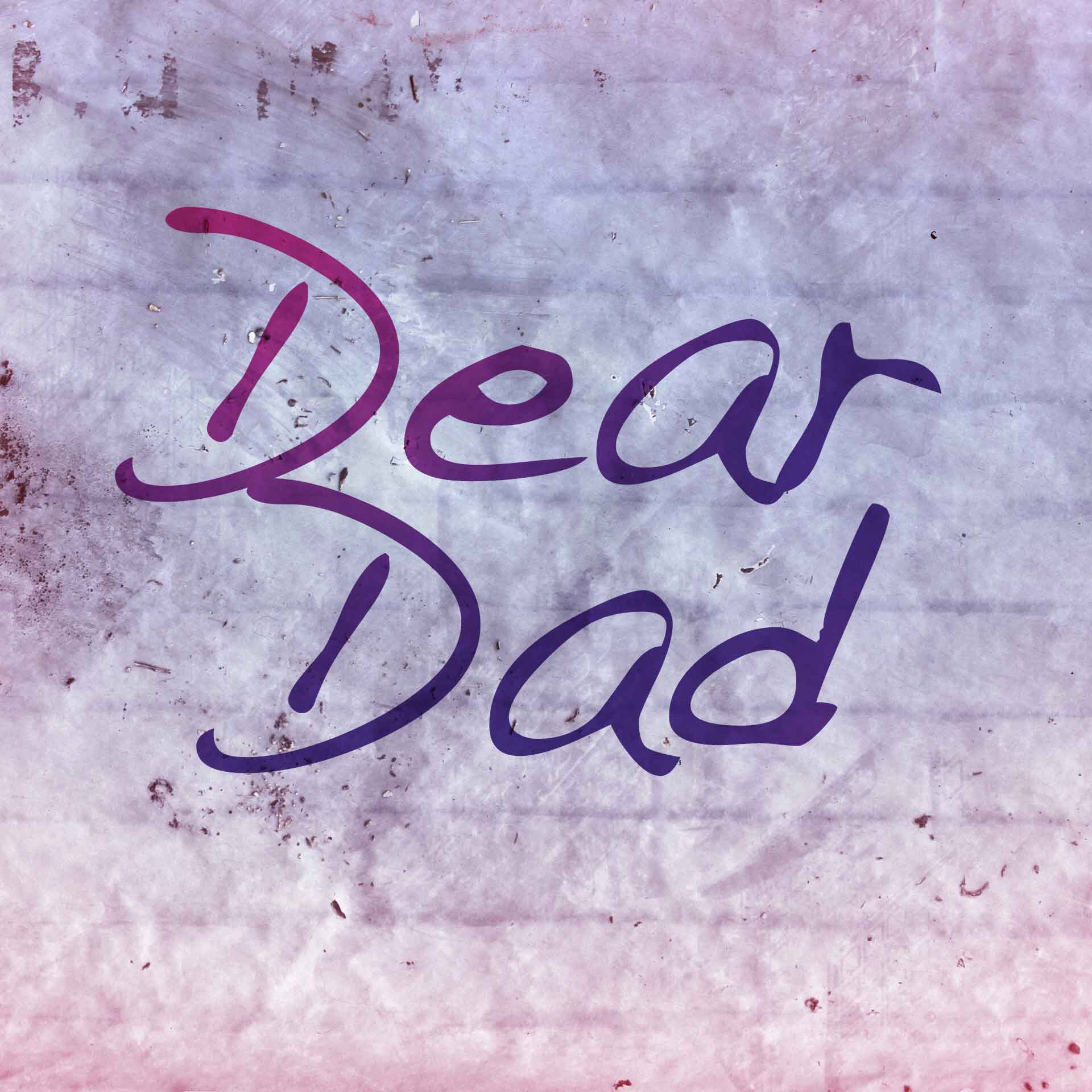
☕️ Hot New Release ☕️ When Love Ain’t Enough: Rozalla and Vince by Stacey Covington-Lee ☕️

Lala's avatarCoffee Breaks and Bookmarks

☕️ When Love Ain’t Enough: Rozalla and Vince by Stacey Covington-Lee ☕️

938667_10153656715420485_1452704629_oSynopsis:

Vince Harper is the ideal husband; he showers his wife, Rozalla with love, commitment, and protection, qualities every woman wants from her man.

Heather Ramos is Rozalla’s deceitful, conniving friend. She worms her way into Rozalla’s life with less than honorable intentions. Heather quickly convinces Rozalla that Vince is not only a poor provider; she coerces Rozalla into believing he’s no longer manly enough to fulfill her desires. Heather’s overpowering influence causes Rozalla to belittle and berate Vince, telling him she’s no longer satisfied with the life that they’ve built. Rejecting his valiant efforts to please her, she yells a heartbreaking response. Rozalla awakens the next morning to find that her caustic wish has indeed come true, and she is face-to-face with the opportunity to live the life she thought she wanted.

Harrison Payne is sexy, tempting…

View original post 1,123 more words

My Ambitionz Az a Writah

Wow. It feels like forever since I wrote in this blog. Maybe it’s because it has been forever. And for that, I’m truly sorry. Life has been as hectic as it can be. But I’m not complaining, I wouldn’t trade it for the world.

As some of you may know, my first novel was recently released. To say that I’m excited would be a bit of an understatement. The amount of love that people have shown my book seems unreal. When I set out to start writing it, it was purely for my own peace of mind. I had issues I needed to deal with and the only way I really knew how to get them out was to write. I never intended for it to see the light of day, let alone be listed for sale on Amazon. But here I am, 2 years after typing those first words, a publisher author. But accomplishing the incredible feat of getting published raises a question: what’s next?

Well, first and foremost, I have to finish the story I started with Torn. From the reactions I’ve gotten in on Facebook and the reviews left on Amazon, my life might be in danger if I don’t. After that? Well, the sky’s the limit. I know that sounds cliche’, but it’s the truth. I don’t think there’s any story in this world I can’t tell. The fun part is going to be finding the next one that I WANT to tell. I don’t want to confine myself to anybody else’s definition of me. So, for now, I’ll stay in the lane I’m in. But sometime in the near future, that’s going to change.

I also need to be on the lookout for the next big challenge. I’ve tried my hand at poetry, songwriting, short stories and now, novels. What’s left? A friend suggested screenplays. We’ll see.

That’s all I have for today. I know I don’t say this enough, but I appreciate you taking time out of your day to read my rantings. Until next time, peace and love.

Oh, and if you haven’t had a chance to check out my book, you can download it for the Kindle here: http://www.amazon.com/TORN-Confessions-Selfish-M-Bradley-ebook/dp/B016MZPT52/ref=sr_1_1?ie=UTF8&qid=1445549712&sr=8-1&keywords=torn+confessions+of+a+selfish+lover