The Second Novel

His computer crashed and suddenly all of his work disappeared. The screen went black without ceremony: no warning spin, no flicker of mercy. Just darkness. And in that darkness, the hollow reflection of Daniel Mercer’s face stared back at him.

For a moment, he didn’t breathe. Six months of work. One hundred and twelve thousand words. Gone.

“No, no, no, no…” His fingers hovered over the keyboard as if refusing to accept the verdict. He jabbed the power button. Nothing. He unplugged the cord, plugged it back in. Still nothing. His pulse thudded in his ears, loud enough to drown out the rain battering the apartment windows. He had been so close.

After his debut novel, The Glass Orchard, exploded onto bestseller lists, Daniel had become the literary golden child. Interviews. Podcasts. A film option. Readers calling him “the next great voice of his generation.”

And then came the calls for the second book. The one that would really matter. The one that would prove he wasn’t a fluke.

For months, he had written and deleted. Drafted and abandoned. His publisher’s emails had grown increasingly strained in their politeness.

Just checking in!

We’re excited to see where this is going.

We’ll need a draft by the end of the quarter to stay on schedule.

Fans were less polite.

When’s the next book?

Don’t pull a one-hit wonder on us.

Hope you’re actually writing and not just enjoying the fame.

The words had crawled under his skin.

And then, three months ago, it happened. The idea. It struck him like lightning. A story about memory and identity. About a man who wakes each morning in a different version of his life. It was sharp, intimate, strange in exactly the right way. It felt dangerous. It felt honest. It felt like something worth writing. Daniel had barely slept since.

Tonight, he had written the final chapter. The final page. The final sentence. He had leaned back, staring at the blinking cursor beneath the words:

He finally understood that the life he was chasing had been his all along.

A fitting ending. A triumphant one. And then the screen went black.

Now he was on the floor beside his desk, screwdriver in hand, staring at the open belly of his laptop like a surgeon mid–failed operation.

“Come on,” he muttered. “Don’t do this.”

He wasn’t a hardware expert. He knew this. But desperation has a way of making the most amateur of us bold. He removed and reattached the battery. He searched his phone for emergency repair tutorials. He tried different outlets. Different chargers. He held the power button down for thirty seconds, sixty seconds, ninety. Nothing.

The silence in the apartment grew heavy. His thoughts spiraled. You should have printed it. You should have backed it up manually. You should have known better.

His deadline was in forty-eight hours. His editor had made that crystal clear.

No extensions this time, Daniel. Marketing’s already in motion.

He imagined the headlines if he failed.

Sophomore slump confirmed.

Mercer can’t repeat debut magic.

He sank back against the couch, the disassembled laptop resting uselessly on the coffee table. The rain kept falling, steady and indifferent. He felt foolish for having believed he’d outrun the pressure. For thinking inspiration alone could save him from the weight of expectation. Maybe this was a sign. Maybe the book wasn’t good enough. Maybe he wasn’t.

His phone buzzed. A notification from a fan account: a photo of someone’s dog curled up with a worn copy of The Glass Orchard. Captioned: Still my favorite book of all time.

The kindness of it hurt more than criticism. Daniel pressed his palms to his eyes. Think Daniel, think. Backups. You had to create backups in case this happened. He had meant to buy an external hard drive months ago. He never did. He had told himself he would. He had told interviews he was “meticulous about process.”

He laughed bitterly. Unless—

His hands froze mid–gesture. Cloud server.

When he bought the laptop, the technician had insisted on enabling automatic cloud backup.

“It syncs in the background,” she had said cheerfully. “You won’t even notice it.”

He hadn’t thought about it since.

Daniel scrambled to his feet so quickly he nearly knocked over the coffee table. He grabbed his phone, opened the cloud app with shaking fingers, and logged in.

Loading. Loading. The spinning circle felt like mockery. And then—

Folders. Documents. A list of file names with tiny timestamps beside them.

His heart pounded harder. He tapped the manuscript folder. There it was.

Second_Novel_Draft_v27.

Last synced: 11:42 PM.

He glanced at the microwave clock.

11:47 PM.

Five minutes ago.

A strangled sound escaped him—half laugh, half sob.

He opened the document preview. The text filled the screen. Chapter titles. Paragraphs. His words. All of it. He scrolled to the bottom. The final sentence.

He finally understood that the life he was chasing had been his all along.

Daniel slid down against the kitchen cabinet, phone clutched to his chest. Relief flooded him so violently it left him dizzy. It wasn’t gone. He wasn’t finished. Not yet.

The laptop would need repair. The formatting would need checking. There would still be edits. Rewrites. Doubt. But the story existed.

And maybe that was the lesson he’d been circling all along—the thing his first book had taught him before success made him forget: Stories aren’t fragile because of technology or deadlines. They’re fragile because of fear.

He had written this one not to outdo his first book, not to silence critics, not to satisfy algorithms—but because he finally found something he needed to say.

Daniel wiped his face and let out a long breath. Tomorrow, he would borrow a friend’s computer. He would download the manuscript. He would send it to his editor. Tonight, he simply sat there in the dim kitchen light, listening to the rain and feeling, for the first time in months, like a writer again.

First Hunt

He was finally entering manhood and now was the time. Storm Runner stood at the edge of the high ridge overlooking the valley, breath frosting in the crisp morning air. He had barely crossed thirteen summers, but today he would walk with the hunters. Today, he would be counted among the grown men of the Ani-watu—the River People—his tribe nestled deep in the rolling green hills of the early American frontier.

A thin mist clung to the forest below, blurring the shapes of trees so they appeared like spirits rising from the earth. Storm Runner tightened his grip on the bow he had carved himself, smoothing his thumb across the polished wood. His father’s voice echoed in his memory.

“Tools are only as strong as the heart guiding them.”

His father, Black Cedar, emerged beside him, tall and broad, carrying the quiet confidence of a seasoned warrior. “You breathe too fast,” he murmured.

Storm Runner exhaled and nodded, trying to steady himself.

“It is good to feel fear,” Black Cedar said. “It shows the heart is awake. But do not let it rule your hands.”

Storm Runner wanted to answer with something wise or strong, but all he managed was a tight smile. His father didn’t seem to mind.

The party gathered—ten men, all respected hunters. Strong Elk, who laughed even in the face of hardship; Two Rivers, whose tracking skills were unmatched; and old Gray Squirrel, the elder who had hunted more winters than any man alive. A few offered Storm Runner nods of encouragement; others simply watched to see how the boy would carry himself. Today was tradition. Today was responsibility. Today was everything.

They moved at dawn, slipping into the forest like shadows. Storm Runner walked near the rear, his senses alive. Every cracking twig, every whisper of wind through branches, felt magnified. The forest was waking with them: birds scratching in the underbrush, distant rustle of deer, the burbling creek ahead.

Gray Squirrel knelt by the water, dipping his fingers into the soft mud. “Deer passed here not long ago,” he whispered. “A buck. Heavy.”

The men nodded. They began to follow the trail, steps soft and deliberate. Storm Runner bent low to study the tracks. His grandfather, Ghost Wind, had drilled lessons into him on how to read the land. “A track is a story,” he had said. “If you listen, the earth will tell you what happened.”

Storm Runner traced the shape, noticing the deep impression of the hooves—yes, a large buck, moving steadily but not fleeing. The boy smiled faintly as pride warmed his chest. He was ready.

They stalked deeper into the woods, weaving between towering pines. After an hour, they spotted their prey grazing in a glade. The buck was magnificent—antlers branching like small trees, fur shimmering in the dappled light. Storm Runner’s breath caught. This was the moment. But just as Strong Elk began to signal positions, the forest shifted. The birds went quiet. The breeze stilled. The world tightened around them.

Storm Runner felt it before anyone else—the unease creeping in like a cold finger tracing his spine. He opened his mouth to warn the men. But before the words could come out, a gunshot cracked across the valley. The buck bolted. Men dove behind trees. Another shot followed, then a third, echoing through the forest. Shouts carried through the trees—harsh, commanding voices. Storm Runner froze for a heartbeat before Black Cedar grabbed him by the arm and pulled him behind a fallen log.

“Soldiers,” he hissed. “Union soldiers.”

Storm Runner’s heart hammered. Why were soldiers here? Their lands were far from towns or battlefields. The Ani-watu tried to stay hidden from the war tearing the country apart. But war often wandered where it didn’t belong.

Blue-coated figures emerged through the brush, rifles raised. Though only a dozen or so, they moved with grim purpose.

Two Rivers muttered, “They must have tracked us. Or the deer.”

No one believed that. The soldiers spread quickly, forming a loose semicircle. They were coming for the hunters. Storm Runner clutched his bow, hands trembling. Black Cedar crouched beside him, eyes fierce but calm.

“Remember what I taught you. The forest is your ally. Listen.”

Storm Runner nodded, though panic clawed at his chest. The men around him looked tense. Some were already wounded from the first shots. They were outnumbered, exposed. Another volley of gunfire blasted through the clearing. Bark splintered. A warrior cried out. Storm Runner squeezed his eyes shut for an instant.

“Listen, boy,” Ghost Wind’s voice whispered in memory. “When fear speaks too loudly, hear the world instead.”

He forced his breath to slow. Through the chaos, he listened. The creek. The slope of the ridge. The cluster of pine needles masking soft, unstable ground. The deer path looping behind the soldiers. The world was speaking.

Storm Runner tugged at his father’s arm. “The ridge,” he whispered. “It’s soft. We can trap them there.”

Black Cedar met his gaze. He didn’t question the boy. Not today.

“Go,” he said. “Tell the others.”

The boy slid through the brush like a fox, keeping low, weaving between trees. Shots cracked overhead but missed, the soldiers distracted by the warriors’ evasive movements. Storm Runner reached Strong Elk first.

“We must draw them toward the ridge,” he whispered urgently. “The ground there will collapse under many feet.”

Strong Elk blinked. Then a grin spread across his bearded face. “Ahh. Ghost Wind’s trick.” He slapped the boy’s shoulder. “Go, tell the others!”

Storm Runner raced from man to man, relaying the plan. Soon the warriors shifted subtly into new positions, moving with practiced silence. A sharp whistle—Storm Runner’s signal—cut through the trees. Arrows flew. Warriors darted between trees like living shadows. The soldiers, believing they were pushing the hunters back, surged forward with renewed aggression. Right toward the ridge.

Storm Runner scrambled up the side of the slope. He remembered he and his grandfather testing the hillside last spring, Ghost Wind saying, “One day you will use even the land as your shield.”

He struck the ground with his bow, hard and rhythmic. The soil loosened. Pebbles tumbled.

Below, the soldiers advanced in a line—too many men on too unstable a slope. The earth groaned. Then it gave way. A roar of sliding earth filled the forest as the ridge collapsed, sweeping half the platoon down in a cascade of mud, stone, and broken tree limbs. Men screamed, some trapped, others scrambling desperately. The remaining soldiers staggered back in shock. That was the moment.

The Ani-watu warriors emerged from the trees with fierce cries, arrows and spears flashing. Strong Elk led the charge, his battle roar echoing across the valley. Black Cedar’s blade struck like lightning. Even old Gray Squirrel moved with age-forgotten speed.

Storm Runner, still on the ridge above, fired arrows to cover them—each shot guided by instinct, training, and the beating heart of the forest around him. The soldiers faltered, morale broken. Some fled outright, disappearing into the trees. The battle was over within minutes.

Silence fell slowly, hesitant to return. Storm Runner climbed down, limbs trembling. The men gathered, some wounded, all exhausted—but alive.

Strong Elk clapped the boy on the back hard enough to jolt him. “You saved us all, little warrior.”

Two Rivers nodded. “A plan worthy of Ghost Wind himself.”

Black Cedar approached last. No words at first. Just a warm, steady hand on his son’s shoulder.

“You listened,” he said quietly. “You trusted the land. You trusted yourself. Today, the spirits walk proudly beside you.”

Storm Runner swallowed hard as emotion swelled in his chest. A hush settled as Gray Squirrel stepped forward, leaning heavily on his staff. He studied Storm Runner for a long moment.

“Storm Runner,” he said in a voice like rustling leaves, “you entered the forest today as a boy. But you return from it as something else.”

Storm Runner lifted his chin, meeting the elder’s wise, weathered gaze.

“You have earned your place among the men of the Ani-watu,” Gray Squirrel declared. “From this day on, you stand as a warrior of the River People.”

A murmur of approval rippled through the group. Black Cedar’s eyes shone with fierce pride. Storm Runner felt his heart grow fuller than he thought possible.

He walked home with them beneath the fading afternoon light. The land was quiet again, but it felt changed—more alive, as if acknowledging him. He had entered the hunt a child. He returned a warrior. And the forest knew his name.

The Stranger

It was close to noon and the sun was high in the sky. Suddenly, I felt the dry wind shift—an omen, maybe, or just another gust from the endless desert. Either way, I slowed my horse and looked down at the town that shimmered in the distance like a mirage. A crooked sign creaked in the heat: Redwater Gulch.

The place looked half-alive, half-dead. A few wagons rattled down the main street, their wheels kicking up more dust than sense. Folks moved quick, heads down, like they were afraid the sunlight itself might take notice. I’d seen towns like that before—broken by fear, hollowed out by men who took what they wanted and left the rest to rot.

I wasn’t looking for trouble. I was just passing through, trying to make it to San Francisco before winter. I’d promised myself I was done getting involved in other people’s fights. Trouble, though—it has a way of finding a man, especially one who’s trying to leave it behind.

At the saloon, I tied up my horse and pushed through the batwing doors. The air inside was thick with stale whiskey and something else—tension. Every conversation died the moment I stepped in. Eyes flicked toward me, sizing me up, deciding if I was worth noticing. Then they went back to their drinks. That suited me fine.

“Whiskey,” I said, sliding a coin across the bar. The barkeep, a thin man with a mustache that drooped like wilted grass, poured me a glass without a word.

After a moment, I asked, “Town always this quiet?”

He hesitated. “Depends who’s askin’.”

“Just a traveler.”

“Then best you keep trav’lin’.” His eyes darted toward the door.

That’s when the sound came—a roar of hooves, followed by laughter. Harsh, cruel laughter. I turned to see five men ride up, dust clouds billowing behind them. Their leader, a tall man in a black coat with silver spurs, didn’t bother tying his horse. He just dismounted and strode inside like he owned the place.

“Afternoon, folks,” he drawled. “We’re collectin’ today. Sheriff says taxes are due.”

The barkeep paled. “But—Sheriff Harlan said next week—”

The man backhanded him across the face, sending him sprawling. “Sheriff Harlan don’t say nothin’ no more unless I tell him to.”

Nobody moved. Nobody breathed. Just the sound of my own heartbeat and the faint rattle of spurs as the gang laughed again. I clenched my jaw. This wasn’t my fight. I wasn’t here to play hero.

But as I watched that barkeep crawl to his knees, blood dripping from his mouth, I caught sight of a little girl peeking through the saloon’s back door—her face streaked with dirt and fear. And something in me shifted.

I’d told myself I was done fighting. But some things, a man can’t ride away from. I tossed back the last of my whiskey, set the glass down, and turned toward the man in the black coat.

“Seems to me,” I said quietly, “you boys forgot to say please.”

The saloon went silent again, only this time it was a different kind of quiet—sharp, expectant. The kind that comes before a storm breaks.

The man in the black coat turned his head slowly, eyes narrowing. “You say somethin’, stranger?”

I met his gaze. “You heard me.”

He smiled—thin and humorless. “You must be new. See, folks around here know better than to talk to me that way.” He brushed his coat aside, revealing the butt of a revolver polished from use. “Name’s Clay Harker. This here’s my town.”

I didn’t answer. My hand rested easy on the bar, nowhere near my gun. That made him frown. Bullies like him, they feed off fear—they don’t know what to do when a man doesn’t flinch.

He took a step closer. “You think you’re faster than me, mister?”

“No,” I said. “Just better.”

The room held its breath. Then everything happened at once—his hand darted for his gun, the barkeep shouted, a glass shattered somewhere behind me. But I’d already drawn. My Colt barked once, the sound deafening in the small room.

Clay Harker staggered back, a look of shock twisting his face. His gun clattered to the floor. The bullet had taken him clean through the shoulder—enough to end the fight, but not his life. I holstered my revolver before his men even realized what had happened.

“Pick him up,” I said evenly. “And get out of town.”

One of the gang—barely more than a boy—moved like he wanted to go for his weapon. I looked at him, and whatever he saw in my eyes changed his mind. They gathered up Harker, cursing under their breath, and rode out in a spray of dust and fear.

When the sound of hooves faded, the room stayed quiet. Then someone whispered, “Who is he?”

I didn’t answer. I just turned to the barkeep, who was pressing a rag to his split lip. “You got a doctor in town?”

He nodded, still staring.

“Send him after Harker,” I said. “I didn’t shoot to kill.”

Then I pushed through the saloon doors and stepped into the blazing sunlight.

That night, I lay in the boarding house, listening to the distant creak of wind against the shutters. I should’ve left right then, while I still could. But something about this place—it wouldn’t let me go. The way folks moved in silence. The way the sheriff avoided my eyes when I passed him on the street. This wasn’t over. Harker would be back, and he’d bring hell with him. I’d told myself I didn’t care. But lying there in the dark, I knew better. Some debts aren’t paid in gold or whiskey. Some are paid in blood—and I had a feeling Redwater Gulch had plenty left to spill.

Morning came slow and gray, a thin mist hanging over Redwater Gulch like the ghost of a storm that never came. The town woke wary, every door creaking open as though afraid to make too much noise.

I stepped out of the boarding house, boots crunching on the frost-tipped dirt. The night’s cool had settled the dust, but it wouldn’t last long under the desert sun. A few townsfolk watched me from behind their curtains. One woman, old enough to remember better days, gave me the faintest nod.

The saloon looked different in daylight—less menace, more ruin. I pushed inside and found the barkeep sweeping up glass. He looked up, startled.

“You still here?” he asked.

“Just passing through,” I said, though even I didn’t sound convinced. “Figured I’d see how bad things got after last night.”

He gave a bitter laugh. “You mean after you shot Clay Harker in front o’ half the town? Folks don’t forget a thing like that. They’ll be talkin’ about it till the day he rides back—because he will ride back.”

“Maybe,” I said. “Maybe not.”

He stopped sweeping and leaned on the broom. “You don’t understand. Harker’s got near twenty men. They run the mines, the freight wagons, even the sheriff. No law here but theirs.”

I didn’t reply. I’d seen towns like this before—where the law wore a badge but answered to fear.

“Sheriff around?” I asked.

The barkeep nodded toward the jailhouse across the street. “If you can call him that.”

The sheriff’s office was dim, smelling of stale tobacco and dust. Sheriff Harlan sat behind his desk, hat tipped low, hands folded like he’d been praying too long. He looked up as I entered, his face lined deep from years of doing nothing but surviving.

“Heard you stirred up trouble,” he said.

“Just evened the odds.”

“Odds can’t be evened here. You should move on, mister. Before Harker comes back meaner than before.”

I studied him for a long moment. “You scared?”

He let out a tired breath. “You don’t live long in this town unless you are.”

I leaned against the wall. “There’s a difference between livin’ scared and dyin’ ashamed.”

He didn’t answer, but his jaw twitched. That told me plenty.

When I stepped back outside, the sun had burned through the mist. Townsfolk were beginning to stir—timid, uncertain. I saw the little girl from the saloon standing near the general store, clutching her mother’s hand. She gave me a shy wave. That small, simple thing hit harder than I cared to admit. Because in her eyes, I wasn’t just a stranger anymore. I was the first sign of hope they’d had in years. And I knew right then: whatever road I’d meant to travel, it ended here.

That evening, as the town settled into its uneasy quiet, I sat on the edge of the boarding house porch cleaning my revolver. The sun was setting, bleeding gold and red across the sky like a wound.

The barkeep came up behind me. “If you’re plannin’ to stay,” he said quietly, “folks’ll stand with you. Maybe not all of ’em, but enough.”

I nodded, not looking up. “I ain’t lookin’ to start a war.”

He hesitated. “You already did.”

I glanced toward the horizon, where a thin line of dust rose against the dying light—riders, maybe a dozen or more, coming hard and fast.

“Then I reckon it’s time to finish it,” I said, slipping the revolver back into its holster.

By sundown, the horizon had swallowed that dust trail whole, but the feeling it left behind clung to Redwater like smoke after a fire. Word spread fast — Clay Harker’s riders had been spotted out near the mesa, twenty strong, maybe more.

The townsfolk gathered in the saloon, whispering like people at a funeral. Sheriff Harlan stood near the back, hat in hand, eyes down. When I stepped through the doors, the murmurs died.

“Looks like they’re comin’,” I said.

The barkeep nodded. “Be here by mornin’, most likely. We can run, maybe hide up in the hills—”

“No.” My voice came out sharper than I meant. “You run, they’ll hunt you down one by one. You hide, they’ll burn the town to the ground. Either way, you lose.”

A silence fell. Every face turned toward me, hollowed by fear but searching for something—anything—to hold onto.

The sheriff spoke finally. “You talk like you’ve fought men like Harker before.”

“I have,” I said. “And I’ve buried enough of them to know there’s only one way this ends.”

That night, we gathered what we could—rifles from old trunks, shotguns from wagons, even a few pitchforks from the stables. Half the guns wouldn’t fire straight, and the other half hadn’t been cleaned since the last war. Still, the people worked with quiet purpose. Fear can freeze a town, but it can also light a fire when the right spark comes along.

I found the little girl again, sitting on a barrel outside the general store. Her name was Emma. She asked if I was going to make the bad men go away.

“I’ll do what I can,” I told her.

“My pa used to say that,” she said. “Before they took the mine.”

I didn’t ask what happened to him. I didn’t need to.

Later, I found the sheriff sitting alone on the jailhouse steps, polishing his old Winchester. He looked up when I approached.

“You really think we can win?” he asked.

I sat beside him. “I think men like Harker only win because folks let them. You stand your ground, you got a chance. You don’t, you’re already beat.”

He gave a tired laugh. “You sound like you been sheriff before.”

“Once,” I said.

That caught him off guard. “What happened?”

I stared out at the street, where the wind chased dust down the empty road. “Same story, different town. Tried to keep the peace. Lost too many good people doin’ it. Figured maybe I’d earned my rest.”

He nodded slowly. “Guess rest’ll have to wait.”

By midnight, the town was ready—or as ready as it could be. The old church bell was rigged as a warning signal, rifles were posted at windows, and the main street was lined with sandbags and overturned wagons. I walked the line one last time, checking sights, offering what words I could. The people looked different now. Still scared, but standing taller.

When I reached the edge of town, I could see the faint orange glow of campfires out in the desert. Harker’s men. Waiting for dawn. I rested my hand on my revolver, feeling the weight of it—and everything that came with it. Tomorrow, the sun would rise on Redwater Gulch. Whether it rose on free people or ashes, that was yet to be decided.

Dawn came cold and slow. The desert sky bruised purple and red, the kind of light that makes the land look half-dead, half-born again. I was already up, standing in the middle of the main street, the dust pale beneath my boots. The air was so still you could hear the creak of every board and the beat of every heart hiding behind those windows.

Then the silence broke—the distant thunder of hooves rolling in like a storm. Clay Harker rode at the front, one arm bound in a sling, rage twisting his face. His men followed in a jagged line, rifles slung, eyes mean and hungry. They slowed as they reached the edge of town, the horses snorting clouds into the morning chill.

“Redwater Gulch!” Harker’s voice carried like thunder. “You had your fun. Now you’ll pay double for it.”

No one answered.

He laughed, sharp and cruel. “Where’s that hero of yours? The man with the fancy draw?”

I stepped out from the haze, hat low, coat flapping in the breeze. “Right here.”

Harker’s grin faltered. “You should’ve kept ridin’, stranger.”

“Thought about it,” I said. “Then I saw what kind of man runs this town. Decided it needed a change.”

He spat into the dust. “You ain’t changin’ nothin’ but the undertaker’s workload.”

He raised his hand—the signal.

The first shots cracked the morning open. Gunfire tore through the air, echoing off the buildings. Windows shattered, horses screamed, men shouted. The townsfolk fired back from the saloon balcony and the store rooftops. Smoke rose fast, curling into the brightening sky. Harker’s riders tried to push through, but the barricades held. One went down in the street; another tumbled from his horse, rifle spinning from his grasp.

I moved through the chaos like I’d done it a hundred times before—which, truth be told, I had. My revolver roared twice, three times. Two of Harker’s men fell. The third turned tail, vanishing into the haze.

Beside me, Sheriff Harlan fired from behind a wagon, his jaw set firm. For the first time, I saw something in his eyes that wasn’t fear—it was resolve.

“Keep their heads down!” I shouted.

He nodded, reloading fast.

A bullet tore through my sleeve, grazing my arm. I dropped behind cover, gritting my teeth. Harker’s men were closing in now, moving between buildings, trying to flank us. I could hear their boots, their curses, their panic.

Then—a sound I didn’t expect—the church bell. It rang once, twice… then again, steady and strong. The whole town seemed to rise with it. Men and women I hadn’t even seen the night before stepped out with rifles, shovels, even kitchen knives. They took to the street like they’d been waiting years for this moment. The tide turned.

Harker saw it too. His face twisted with fury. He spurred his horse forward, straight toward me.

“You think you can take what’s mine?” he shouted, drawing his gun.

I stood in the street, revolver at my side. “You never owned it to begin with.”

He fired first. I fired last. His shot went wide. Mine didn’t. Harker tumbled from his saddle, hitting the dust hard. For a moment, everything stopped. Smoke drifted through the rising light, curling around him as he tried to lift his gun again.

I walked forward, boots crunching.

“Go on,” he rasped. “Finish it.”

I looked down at him—a man who’d built his power on fear and broken backs—and shook my head.

“No. You’ll stand trial. The town deserves that.”

I turned to the sheriff. “Harlan—you still got a badge. Time to use it.”

The sheriff stepped forward, voice steady for the first time. “Clay Harker, you’re under arrest.”

By noon, the smoke had cleared. The dead were buried, the wounded tended to. The townsfolk stood together in the street, blinking like they were seeing daylight for the first time.

Emma ran up, tugging my coat. “Are you stayin’?”

I smiled faintly. “No, little one. My road keeps goin’ west.”

“But who’ll keep us safe?”

I looked to Sheriff Harlan, who stood tall now, hat back on his head, his rifle slung with pride. “You’ve already got someone.”

Then I mounted my horse, tipped my hat, and started down the dusty road. The town faded behind me, but the sound of that church bell followed—clear and strong, not as a warning this time, but as a promise.

Fallout

A sliver of light exploded from above, blinding them. They’d been locked in darkness for so long that even the faintest glow felt like a dagger through their eyes. Hands rose instinctively to shield faces gone pale and hollow after years underground. The heavy steel hatch groaned, its hinges shrieking as if protesting the act of being opened.

For a moment, no one dared to breathe. The stale, recycled air of the shelter clung to them, and the faint draft from outside carried a strange mixture of scents—burnt earth, rust, and something they could not yet name.

Miriam was the first to move. Her fingers trembled as she pressed them against the hatch’s edge, forcing it wider, the strip of daylight stretching into a wedge. Behind her, the others shifted uneasily: Caleb with his jaw set in rigid determination, Elise clutching the hand of her young son, and Jonas, who had stopped speaking much during the third year below ground, his silence heavier than the concrete walls that had enclosed them.

The light revealed dust swirling in the air like ash. Beyond the threshold, the world waited.

“Is it… safe?” Elise’s voice was little more than a whisper, but in the cavernous silence, it echoed like a shout.

No one answered.

They had dreamed of this moment through endless nights of rationed food, whispered arguments, and the slow madness of confinement. Yet now that the door stood open, freedom felt less like salvation and more like stepping into the unknown.

Miriam pulled herself through first. The ground outside crunched beneath her boots, brittle and unyielding. She squinted against the glare, tears running down her cheeks. Not from grief. Not from joy. Simply from seeing the sky again, though it was not the blue of memory—it was a pale, sickly gray, a canvas of scars.

The others followed one by one, emerging from the tomb that had kept them alive. Above them, the horizon was jagged with collapsed structures, and the skeletal remains of trees clawed upward as though begging for a sun that no longer shone.

Caleb muttered, “We survived the war. Now we have to survive this.”

And as the shelter door slammed shut behind them with a hollow echo, they realized there was no going back.

A sliver of light exploded from above, blinding them. They’d been locked in darkness for so long that even the faintest glow felt like a dagger through their eyes. Hands rose instinctively to shield faces gone pale and hollow after years underground. The heavy steel hatch groaned, its hinges shrieking as if protesting the act of being opened.

For a moment, no one dared breathe. The stale, recycled air of the shelter clung to them, and the faint draft from outside carried a strange mixture of scents—burnt earth, rust, and something sweet that rotted underneath.

Miriam’s hand, steady despite its tremor, pressed against the edge of the hatch. She leaned her weight into it until the strip of daylight widened into a gash. Dust fell from the frame like dried scabs peeling from a wound.

“God…” Caleb muttered behind her. His voice, low and hoarse from disuse, held something between awe and dread.

Elise clutched her son closer, one arm wrapped so tightly around his ribs that he whimpered. “Cover your eyes, Jamie. Don’t look yet.”

“He’ll have to,” Miriam said, not unkindly. Her voice had always been the firmest down below—the one that could cut through panic and silence arguments. “We all will.”

The light spilled further into the stairwell, illuminating their prison: walls lined with rusted pipes, peeling paint, and the faint chalk marks where they’d once measured days before the calendar became meaningless. Jonas lingered in the back, his shadow long and bent across the concrete floor. He said nothing, just watched with eyes that seemed to drink in the brightness, unblinking despite the pain.

“Is it… safe?” Elise’s voice cracked. She shifted her gaze between the light and Miriam, searching for reassurance.

Miriam pushed the hatch wider, until the gap was large enough for her shoulders to squeeze through. Beyond it, the sky hung low and heavy. Gray. Wrong. But it was sky. “Safe or not,” she said, “we can’t stay here.”

The words sealed the moment.

She climbed out first, her boots striking ground that crunched and gave beneath her weight. She blinked, letting her eyes adjust, and tears spilled hot and unwanted down her cheeks. She wiped them quickly, unwilling to let the others see.

The earth stretched flat and broken in every direction. Blackened husks of buildings rose in the distance, their windows shattered eyes staring at nothing. Trees stood like skeletal fingers clawing at the sky. Not a bird. Not an insect. Just silence, so vast it seemed to hum.

Caleb followed her out, jaw clenched, scanning the horizon as though expecting some enemy to reveal itself. Elise emerged with Jamie, her free hand fluttering to her face as though to shield herself from a reality too harsh to accept. Jonas came last, climbing out slowly, his boots dragging as though each step weighed a thousand pounds.

The hatch slammed behind them with a hollow clang, echoing across the wasteland. They all turned to stare at it.

“There’s no going back,” Caleb said, voice flat.

“Was there ever?” Miriam murmured.

Jamie tugged on his mother’s sleeve. “Where’s the grass?” His small, puzzled voice seemed almost obscene in the silence.

Elise’s throat worked, but she couldn’t answer.

Miriam knelt beside him. “It’s sleeping,” she said softly, though she wasn’t sure if she believed her own words. “Maybe, if we take care of it, it’ll wake up again.”

Caleb snorted, bitter. “If there’s anything left to wake.”

Miriam shot him a look sharp enough to cut. “He’s a child, Caleb. Let him have hope.”

Jonas, silent until now, finally spoke. His voice was raw, as though scraped clean by disuse. “Hope won’t keep us alive.” He stared at the horizon, his expression unreadable. “Food will. Water will. Shelter. That’s what matters.”

Miriam straightened, dusting ash from her knees. “Then we start walking. Find what’s left. Figure out what we can build.”

The wind shifted, carrying with it the faint crackle of something unseen. For a heartbeat, all of them froze—straining ears, tensed bodies.

“Was that… voices?” Elise asked.

No one answered.

The silence stretched, heavy and expectant, until Miriam finally said, “We’ll find out soon enough.” She adjusted the strap of her pack, the one she had repacked a hundred times in anticipation of this day. “Stay close.”

And with that, the small band stepped forward into the wasteland, their shadows stretching long across the dead earth.

They hadn’t gone far before the silence began to gnaw at them. In the shelter, the hum of the generators, the drip of pipes, the shuffle of footsteps in cramped corridors—all of it had been oppressive. Out here, the absence of sound was worse.

Every step crunched on brittle soil and broken glass.

Jamie stumbled on a rock, and Elise immediately scooped him into her arms, glaring at Caleb when he rolled his eyes.

“He’s just a child,” she snapped.

“And he’s heavy,” Caleb shot back. “You’ll burn yourself out carrying him everywhere. We need to think smart if we’re going to make it.”

Elise’s lips parted with a retort, but Miriam cut in. “Enough. Arguing wastes breath.”

The path ahead sloped toward the skeletal remains of a small town. Roofs had caved in, cars were overturned and rusted through, and a collapsed power line twisted across the road like the skeleton of a serpent. As they drew closer, the air grew thicker with the stench of metal and rot.

Jonas was the first to break formation, veering toward the husk of a corner store. “We should check inside.”

Caleb grabbed his arm. “Wait. Could be unstable.”

Jonas shook him off with surprising force. “Could be food.” His voice cracked with hunger, or maybe desperation.

Miriam stepped closer, her hand brushing the wall as though reading the scars of the building’s collapse. “One at a time. If it looks dangerous, we pull out.”

The glass door was shattered, the frame twisted, but they managed to squeeze inside. Dust coated everything, but the shelves still stood—mostly bare, stripped long ago. A few cans lay scattered on the floor, labels faded and curling.

Jamie wriggled from his mother’s grasp and darted forward, snatching one. “Beans!” he cried, holding it aloft like treasure.

Elise rushed after him, her laughter brittle, close to tears. “Yes, beans, sweetheart. Real beans.”

Jonas crouched, sweeping aside debris with frantic hands. He found another can, then another, shoving them into his bag. His movements grew sharp, greedy.

Caleb noticed. “You planning to share those?”

Jonas froze. His shoulders tensed, but he didn’t turn. “I found them.”

“You’ll starve without us,” Caleb said, stepping closer. “We’ll starve if you hoard.”

Miriam intervened, her tone sharp as breaking glass. “No one’s hoarding. We divide everything, equally. That’s the rule.”

Jonas’s jaw worked, muscles twitching beneath sallow skin. But at last, he dropped the cans into the pile Miriam had started.

Silence returned, heavy with unspoken thoughts.

They gathered what little they could—half a dozen cans, a bottle of something unidentifiable, and a child’s backpack that Jamie insisted on carrying himself. When they stepped back into the street, the wind had shifted again.

This time, the crackle they’d heard before wasn’t imagined. It carried with it faint, irregular bursts of sound—like static, or the remnants of a voice distorted beyond recognition.

Miriam froze, lifting a hand. “Listen.”

They all did. The sound seemed to drift from farther down the road, past the town square, where a church steeple leaned precariously over the ruins.

Elise’s eyes widened. “Radio? People?”

Caleb’s hand went to the knife at his belt. “Or a trap.”

Jonas’s face was unreadable, but his voice was low and certain. “Either way, we’re not alone.”

The group exchanged glances. Fear. Hope. Suspicion.

And then Miriam spoke the words they were all waiting for: “We find out what’s out there. Together.”

They moved toward the sound in silence, every step deliberate. The static rose and fell with the wind, sometimes clear enough to resemble syllables, other times fading into the moan of empty buildings.

The town square was a graveyard of civilization. Burned-out cars sat like tombstones, their doors gaping. The church loomed at the far end, its steeple bent at a crooked angle, a jagged cross tilting skyward as if in surrender.

Caleb’s hand never left the knife at his belt. “This feels wrong,” he muttered.

Elise pulled Jamie closer, her gaze darting from shadow to shadow. “What if it’s someone calling for help?”

“Or bait,” Caleb shot back.

Jonas crouched low, scanning the ground. His voice rasped. “No fresh tracks. No drag marks. If anyone’s here, they’re good at covering themselves.”

The crackling grew louder as they neared the church. From inside came the faintest murmur—a voice, distorted, tinny, cutting in and out like a broken signal.

“—anyone… repeat… survivors—”

Miriam froze, her breath catching in her throat. It wasn’t just noise. It was words. A transmission.

“There’s a radio inside,” she whispered. “Someone’s trying to reach us.”

“Or someone’s trying to draw us in,” Caleb countered.

Before they could argue further, Jamie slipped from Elise’s grasp and ran forward. “Hello?!” His small voice rang out, impossibly loud in the dead air.

“Jamie!” Elise screamed, sprinting after him.

The others had no choice but to follow. They burst through the church doors, which sagged on rusted hinges, into a cavernous space where dust hung thick as incense. Pews lay splintered. The stained-glass windows were fractured into jagged teeth, letting in weak shafts of gray light.

At the far end of the nave, atop the cracked altar, sat a battered shortwave radio. Its speakers hissed with static, punctuated by bursts of a voice.

“—north sector… supplies… alive—”

Elise scooped Jamie up, trembling. “See? I told you! People are alive out there.”

Before anyone could answer, a floorboard creaked.

They all spun.

From the shadows of the balcony above, figures emerged. Three of them. Faces smeared with ash, clothes tattered but layered against the cold. Each held a weapon—pipes, a rusted machete, something that looked like a sharpened crowbar.

The leader, a tall man with eyes sunken deep into his skull, grinned down at them. “Well, well,” he drawled, his voice hoarse but steady. “Look what the storm blew in.”

Caleb’s knife was out in an instant. “We’re just passing through.”

The man chuckled, the sound dry and humorless. “Nobody just passes through anymore.” He leaned on the balcony rail, studying them like prey. “Now… let’s see what you brought us.”

The silence that followed was suffocating. Elise clutched Jamie tighter. Jonas’s hand hovered near the cans in his pack. Miriam stood tall, her face set, but her heart hammered in her chest.

The static from the radio crackled again, filling the church with broken words. “—survivors… hope… together—”

The irony wasn’t lost on any of them.

The tall man descended from the balcony with a slow, deliberate grace, each step of his boots echoing across the ruined church. His two companions flanked him, weapons lowered but never far from ready.

Miriam stepped forward before Caleb could escalate, her voice steady. “We don’t want trouble. We’re looking for food, water, shelter—same as you.”

The man tilted his head, eyes flicking over each of them in turn: Caleb with his clenched fists, Elise shielding Jamie, Jonas half-hunched like a cornered animal. Finally, his gaze lingered on Miriam. A smile—thin, humorless—stretched across his cracked lips.

“Everyone’s looking for the same things now. Question is,” he said, drawing closer, “what are you willing to trade for them?”

Caleb bristled. “We don’t owe you anything.”

The man’s companions shifted, gripping their weapons tighter. The tall man raised a hand, almost lazily, and they stilled. His gaze never left Caleb’s. “Owe? No. But maybe you… share.”

Jonas finally spoke, his voice gravelly. “Share means you take.”

The man chuckled. “Survivors with sharp tongues. I like that.” He pointed toward the radio on the altar. “That thing draws folk in like moths. Some come begging. Some come fighting. Which one are you?”

Elise stepped forward then, clutching Jamie so tight the boy whimpered. Her voice trembled, but her words cut through. “We have a child. Please. If you’re human at all, you’ll understand what that means.”

For a moment, silence stretched. The leader’s smile faltered just slightly, a flicker of something human crossing his face. Then it was gone.

He crouched, resting his elbows on his knees, speaking directly to Jamie. “You hungry, boy?”

Jamie hid his face in Elise’s shoulder.

“Leave him out of this,” Caleb growled, stepping closer, knife flashing in the gray light.

Miriam blocked him with an arm, never looking away from the stranger. “What’s your name?” she asked firmly.

The man blinked, as if surprised by the question. After a beat, he straightened. “Silas.”

“Then listen, Silas,” Miriam said, voice calm but carrying steel. “We’re not enemies unless you make us so. We have food. You have… this radio, and maybe more. We can talk. Or we can bleed each other dry. Choice is yours.”

Silas studied her in silence, the grin gone now. Behind him, one of his companions shifted uneasily, muttering something too low to catch.

Finally, Silas spoke, voice low. “You’ve got fire, I’ll give you that. But fire burns both ways.”

The radio crackled again, filling the silence: “—alive… survivors… join us—”

Silas smirked, eyes flicking toward the machine. “Funny thing, hope. Brings people together. Then tears them apart.”

He tapped the altar with his machete, the sound ringing sharp in the hollow church. “So. Share what you’ve got, or walk out that door empty-handed. But if you stay…” His eyes glinted. “…you’ll play by my rules.”

The air thickened. Every breath felt like a gamble.

Miriam didn’t flinch under Silas’s stare. She held his gaze until the silence between them thickened, heavy as ash. Then, slowly, she lifted the cans Jonas had scavenged and placed two on the altar beside the crackling radio.

“A gesture,” she said evenly. “Enough to show we’re willing to share. No more.”

Silas’s lips curled into something between a smirk and a sneer. He tapped one can with the tip of his machete, then lifted it, weighing it in his palm. “Cold beans. Luxury in this world.”

Jonas shifted uneasily, his jaw tight. Caleb muttered a curse under his breath, but Miriam shot him a look sharp enough to silence him.

Silas glanced at his companions, then back at her. “You’ve got more. I can see it in your eyes. But you’re not stupid. That’s good.” He leaned in just slightly, voice dropping. “Don’t mistake walking out of here alive for mercy. It’s just patience.”

Elise hugged Jamie so tightly the boy whimpered again. Miriam reached for her arm, a subtle touch of reassurance, then turned back to Silas.

“Then we’ll take our leave.”

For a long, tense heartbeat, Silas said nothing. His men shifted, hungry eyes fixed on their packs, but one gesture from him kept them in check. Finally, he stepped back, sweeping his arm toward the ruined doorway.

“Go on, then,” he said softly. “Walk out into the wasteland. We’ll see each other again. The world’s small now.”

The words carried the weight of a promise.

Miriam didn’t look away as she ushered the group backward, keeping herself between Silas and the others until the church’s shadow no longer cloaked them. Only then did she exhale, her chest aching with the breath she’d held.

Outside, the sky hung gray and heavy, the silence pressing in once more. Caleb cursed under his breath. “We should’ve fought. Could’ve ended him right there.”

“Or he’d have ended us,” Miriam snapped. “We’re alive. That’s what matters.”

Jonas adjusted the strap of his pack, eyes still fixed on the church. “He’ll come for us. Men like him don’t let go.”

Elise shivered, pulling Jamie close. “Then we keep moving. Far away.”

The radio’s faint voice still echoed in Miriam’s mind—survivors… join us…—but so did Silas’s promise. The world might have ended, but its dangers were only beginning to rise.

And as they walked on, the church loomed behind them like a scar, a reminder that survival wasn’t just about finding food or water. It was about staying one step ahead of the monsters who still wore human faces.
Black Joy is Revolutionary

Man! I haven’t done this in a WHILE! And not for a lack of topics to discuss, purely because I’ve been focused on a multitude of other issues in my life. Hell, it wasn’t that long ago that I decided to really rededicate myself to my writing (and by extension, this blog.) By the way, how y’all like the new URL? Make sure y’all tell your friends to come read something. Thanks!

Normally at this point, I would give y’all a rundown of what’s been going on in my corner of the universe since we last spoke. Honestly, I just don’t feel like doing it, Plus, it’s way too much to go into right now. Maybe we’ll do that another day. So let’s hop right into it, shall we?

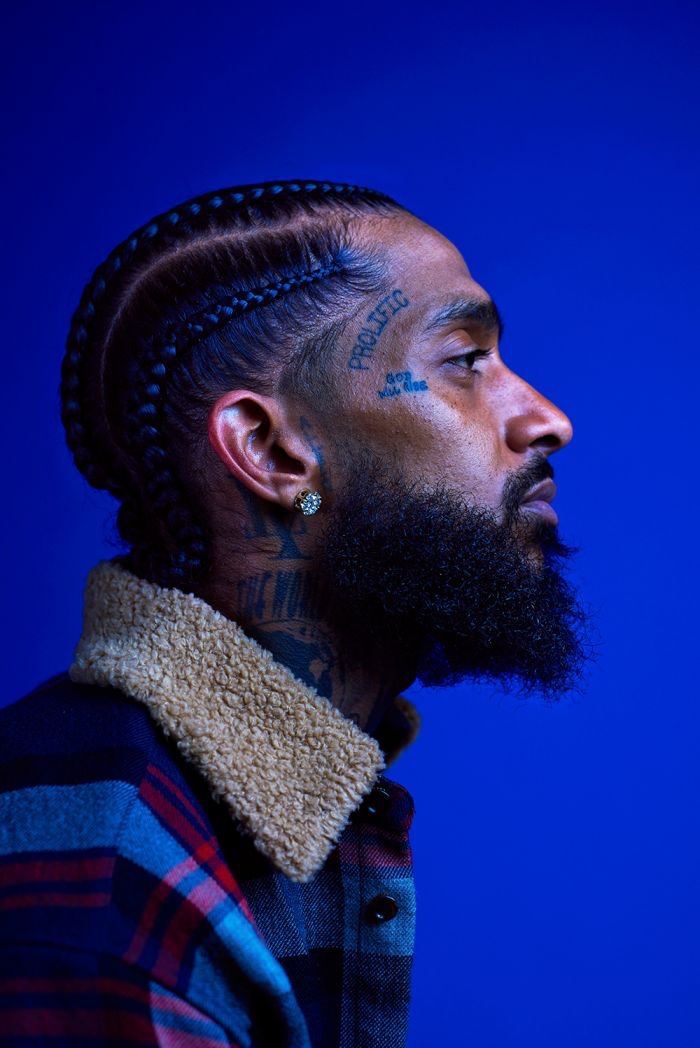
I know you’re looking at the title of this post and the accompanying picture and probably thinking, “This dude wrote a blog about a hoodie?” Well, kinda. Maybe a little backstory will make it make sense.

So I bought the hoodie in question a few years ago. It was right after COVID really kicked the world in the teeth and we basically all lived in nothing but pajamas and loungewear. As most of us probably did at that time, I spent a lot of time scrolling social media and buying stuff I probably didn’t really need. It’s not like I was spending my disposable income on going outside and having fun, so I might as well build an impressive collection of hoodies. If you ever get bored, scroll my IG to see it.

But one night, I come across this post with this hoodie that truly spoke to me. BLACK JOY IS REVOLUTIONARY. Even the website name had a powerful message behind it (here’s the link, go support)

https://blackmensmile.shop

So I buy the hoodie and in my mind, it was the most magnificent thing. We as black people have rarely had anything to celebrate or be joyous about in the country. But somehow, some way, we still find a way to be happy. And for people that look at our history in this country, they can’t fathom why. It truly leaves some people flabbergasted that we don’t burn the whole fucking country down. And that’s not to say that we don’t have our moments of rage. Especially recently. Nor does it mean that we don’t have movements that are seen as the polar opposite of black joy.

But on a daily basis, no matter what the universe throws at us, we still find a way to be completely and utterly unbothered. There’s no better example of this than the pockets of blackness on social media. We take absolutely NOTHING serious! Any and everything can be made fun of! And that jovial spirit stands in full defiance of a country that has enslaved, brutalized, murdered, subjugated, and exploited people that look like me since the first slave ships landed on the coast of Western Africa in the late 1400s.

But I digress, we’re not here to have a conversation about Critical Race Theory. At least not today.

For the past 3+ years, this hoodie was my silent protest. I’d proudly wear it whenever and wherever. Black folks would see me out and show their approval. Some less melanated people had a less supportive reaction. But I gave not a single fuck. Thank my dad for that, I swear I hear his voice in my head every time I start talking about some black shit.

Fast forward to present day. We all see what the current administration is doing to our country. And while quite a few of us saw it coming and tried to be the opposition, the majority of the country either didn’t see what was in store (we really don’t know how) or wanted it to happen. Either way, the shit has hit the proverbial fan. Folks fucked around, and now they are finding out. And they’re becoming outraged, and rightfully so. Elected officials are employees of the people. Their job description is to serve the public, not just the wealthy elite. And don’t get me started on what that weird son of a bitch from South Africa is doing. No one voted for his Nazi saluting ass, yet he really does seem to be the guy running the country. He even sold cars to the President on the White House lawn. I tend to think I have a pretty vivid imagination, especially for a writer, but even I couldn’t have come up with a story like this.

Through their outrage over what’s occurring, the pig mentally challenged financially strapped former supporters of the current presidential administration have looked for allies in the very people that they once sought to keep oppressed. And to their credit, most black folks have opted against taking to the streets to voice their disapproval with the status quo. Some have even gone a step further and made sure to carefree they are in the face of what’s happening. Because what can really come of us taking to the streets en masse to show our disdain? In getting upset and raging against the machine? Not. A. Fucking. Thing. It’s exactly what they want. They want us to give them a reason to really bring back the pre-Civil Rights Era of this country. So by sitting this one out and showcasing our happiness in these troubled times, we are truly protesting. In this moment, our black joy is revolutionary.

See what I did there? Until next time, peace and love. And stay revolutionary.

Can’t Knock the Hu$$le

Good morning world. I wish I was writing this in a better frame of mind. Hell, I really wish I wasn’t writing it. But because these thoughts have been weighing so heavily on me for the past few days, I felt like I had to get them out.

Unless you just don’t care or you’ve been under a rock all week, you know the tragedy that happened on Sunday (March 31, 2019). There are too many superlatives to list that describe Ermias Joseph Asghedom (known to the world as Nipsey Hussle). Now I’m not here to claim that I knew this man, I’m not even claiming to be a fan of his music. He existed on the periphery of my consciousness. I was cognizant of what he was doing in the world and respected the hell out of the message he was putting out into the world. But when my girlfriend called me and told me of his untimely demise, I couldn’t help but cry.

I didn’t cry when ‘Pac died. I didn’t cry when B.I.G died. I did shed tears for Michael and Prince. I’ll probably cry whenever Hov leaves this mortal realm. And these are probably my 5 favorite artists of all time. But here’s a man who I couldn’t name more than 2 songs by him, yet I cried like I had lost a family member. I turned on his music, pulled a hat down low over my eyes, and grieved for a man that I had never met.

Then, like most of us did, I jumped on social media to post something that could potentially display the hurt I was feeling. And that first night, it was beautiful. People posted links to songs, pictures, etc. showing their respect for Nipsey. But after that, the shit got twisted. Since Sunday night, wild conspiracy theories and videos of his last moments have ran rampant all over social media. We’ve become so focused on his death that we’re ignoring his life.

I’ve taken the past few days to really look into what this man was doing with his life and platform. He was preaching black empowerment in a way that our community hasn’t seen or heard since Malcolm X laid down. This is what our focus should be on. Not how or why he lost his life. Lift up his legacy, don’t sensationalize his death.

That’s all I got for y’all today. Peace and love. Let’s run this marathon! #RIPNipsey

Is America ready for a new corporate image?

alloyd816's avataralloyd816

TATTOO 0719 RMB 24585

In my opinion visual self expression, is the most creative way to convey a message without using verbal communication. Once upon of time, visible tattoos, abnormal piercings, and non-traditional hair styles, were shunned upon in corporate America. Realistically, that mindset still holds true today, especially in regards to tattoos. Should we allow that mentality make us succumb to the pressures of conforming to society’s view of an appropriate image?

According to Meredith Haberfield, of Meredith Haberfield Coaching, 37 percent of HR managers cite tattoos as the third physical attribute most likely to limit career potential.

No matter how you spin it, judging one’s appearance based on their looks can be considered a form of discrimination disqualifying you from a job unknowingly.

Professional athletes, musicians, and actors may have the luxury of displaying their art freely, but for the rest of us, it is suggested to do so in moderation. Here…

View original post 302 more words

Ink…

Good evening world! I hope this blog finds you in good health and even better spirits! Today’s topic is something that is very near and dear to my heart: tattoos. I have ink, want more ink and love all the ink I have so far! At first I was gonna try and concentrate this entry on a specific issue pertaining to tattoos in our society, but decided against that.

I got my first tattoo as a teenager and was instantly hooked. Like most people, I was apprehensive about getting ink. I was scared it would hurt too much (what’s pleasure without a little bit of pain?), that the ink wouldn’t show up well on my skin, that I would regret them as I got older, I won’t be able to get a job, etc. All my excuses have been shown to be completely unfounded, especially in today’s society where it seems that almost everybody has tats. Its more of a shock to me to see members of my generation that don’t have ink. Almost everybody I know that has a tattoo either has multiple or plans to get more. There’s something about them that is highly addictive. I know what some of you might be thinking, “Your body is a temple.” That’s very true, so what’s wrong with making the temple a little more aesthetically pleasing? If you have a problem with tattoos, are you against any kind of body modification? Do your feelings extend to piercings? What about hair dye, contacts and plastic surgery? I personally feel like people should do whatever makes them happy, as long as its within reason. And its not my place to decide whats within reason, that’s solely up to the individual…

305959_10151104429586487_1752247454_n

One of the biggest arguments our parents (or at least those that don’t have ink of their own) used to scare us from getting tatted was that ink would make it infinitely harder for us to succeed in the real world. Everybody can’t be a celebrity or athlete, right? That argument is completely valid and utterly baseless at the same time. Let me explain. Having tattoos in places that can be easily covered up will never prevent a person from getting a job. You might not be able to get every job, but you won’t be chronically unemployed either. If you can’t hold down a job, you should think about examining the type of person you are, not the ink you have. But on the flip side, having tattoos in certain areas can hinder you from reaching certain plateaus in life. For example, nobody will ever give Lil’ Wayne a job as the CEO of a company if he were just Dwayne Carter. While you might be able to cover up the majority of his tattoos, what are you gonna do about the ink he has on his face and neck? The first thing you would think when you see him is that he’s a thug or criminal. It might not be true, but who’s really gonna take the time to figure that out? Your first impression is long lasting. That’s the thing I think my generation and those younger than me need to keep in mind. While tattoo acceptance has grown by leaps and bounds in the last 20 years, there are some stigmas and stereotypes that are so ingrained in the public consciousness that they might just be here to stay. But we also need to remember to not judge a book by its cover. Just because a person has tattoos, that doesn’t automatically classify them as a dredge on society. Its a fine line that we need to walk…

407585_10151076318936487_1843529284_n

As I look back, I have no regrets about my ink except the fact that I don’t have more and that’s something that can be easily fixed. That’s all the rambling I’m gonna do for today. If you have ink or if you don’t, I would love to hear your thoughts and feelings. Peace and love…
423109_10151095189811487_1541652587_n